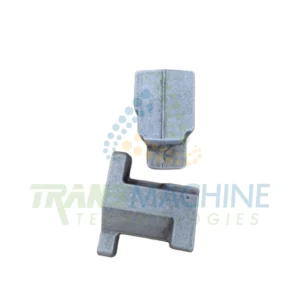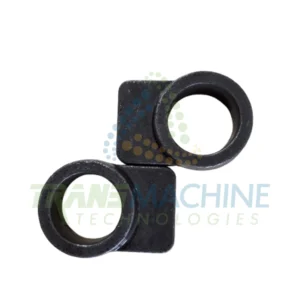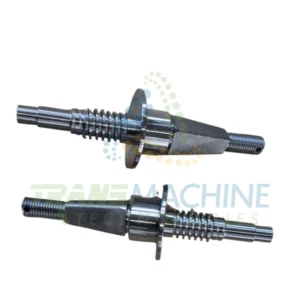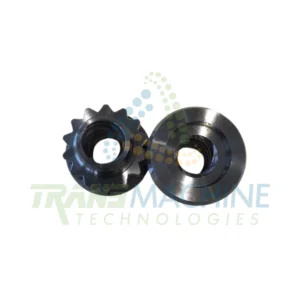
forging

Home / service / forging

Forging Solutions for Industrial Excellence | Trans Machine

Precision Forging Services for Industrials

Strong, reliable forged components engineered to exceed performance requirements in transportation, mining, automotive, and semiconductor industries.

Request Your Quote

Our Forging Process

1Design & Consultation

We begin by understanding your project context, tolerance requirements, material goals, and performance criteria.

2Die & Tooling Engineering

Custom tooling designed for optimal material flow and precise geometry.

3Controlled Forging Operations

Selected forging method — open die, closed die, or cold forging — depending on technical needs and production scale.

4Heat Treatment & Refinement

Thermal processes applied to enhance strength, toughness and fatigue resistance.

5Inspection & Delivery

Every part undergoes quality checks, dimensional inspection, and surface finishing before delivery.

Industries We Serve

🚚

Transportation

Forged structures for rail systems, heavy transport linkages, and mechanical assemblies.

⛏️

Mining

Robust forged components engineered for crushers, excavators and mining machinery.

🚗

Automotive

High-precision engine parts, shafts, gears and load-bearing components.

💻

Semiconductor

Precision forged tooling and fixtures for semiconductor manufacturing systems.
About Forging

Forging is a high-precision metalworking process that shapes metals through controlled compressive forces — either with dies, presses, or hammering — to create components with exceptional strength, durability, and performance in extreme conditions. Forged metal parts exhibit a refined and continuous grain structure, resulting in greater fatigue resistance, mechanical strength, and dimensional accuracy compared to cast or machined components. Common forging methods include open die forging for large and custom parts, closed die forging for complex shapes and high-volume production, cold forging for excellent surface finish and tight tolerances, and seamless ring forging for precision big-diameter rings. Leveraging the right forging technique ensures optimized strength-to-weight ratios, lower material waste, and superior long-term performance — delivering greater value and reliability for your industrial applications.

Forging vs Casting vs Machining

Method
Strength & Durability
Design Flexibility
Precision & Finish
Total Value
Forging
Highest strength & structural integrity
Good for most industrial parts
High precision after minimal finishing
Excellent long-term value
Casting
Moderate strength, risk of porosity
Excellent for complex shapes
Often requires additional machining
Good initial cost but quality varies
Machining
Good (material dependent)
Flexibility from solid block
Highest finish & tolerance
Higher waste & cost varies
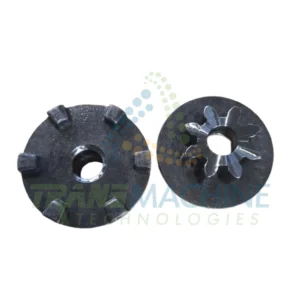
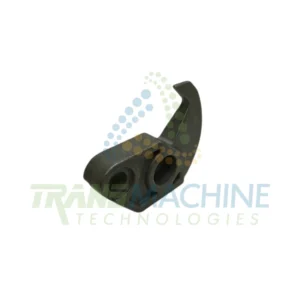
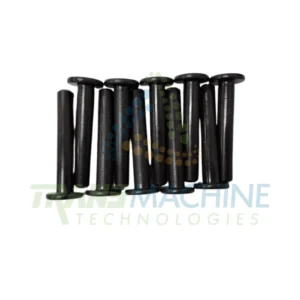
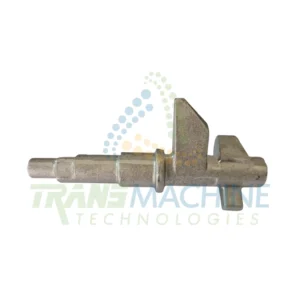
Forging product

we make products with the best quality & have been tested.