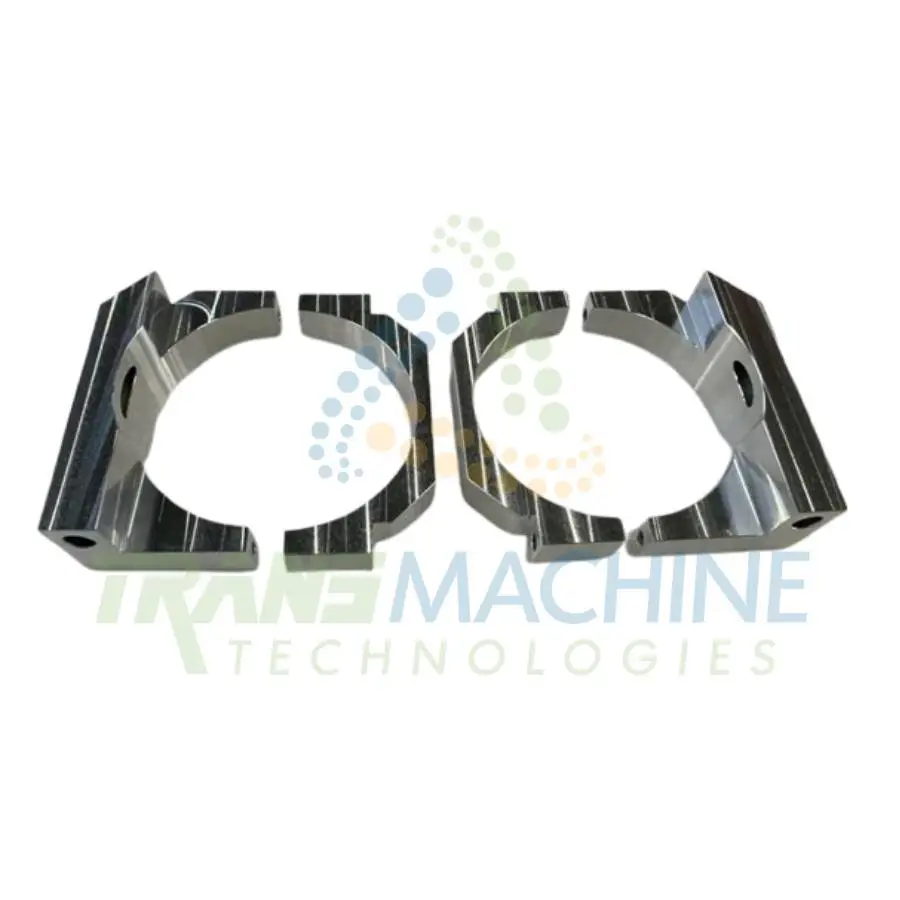
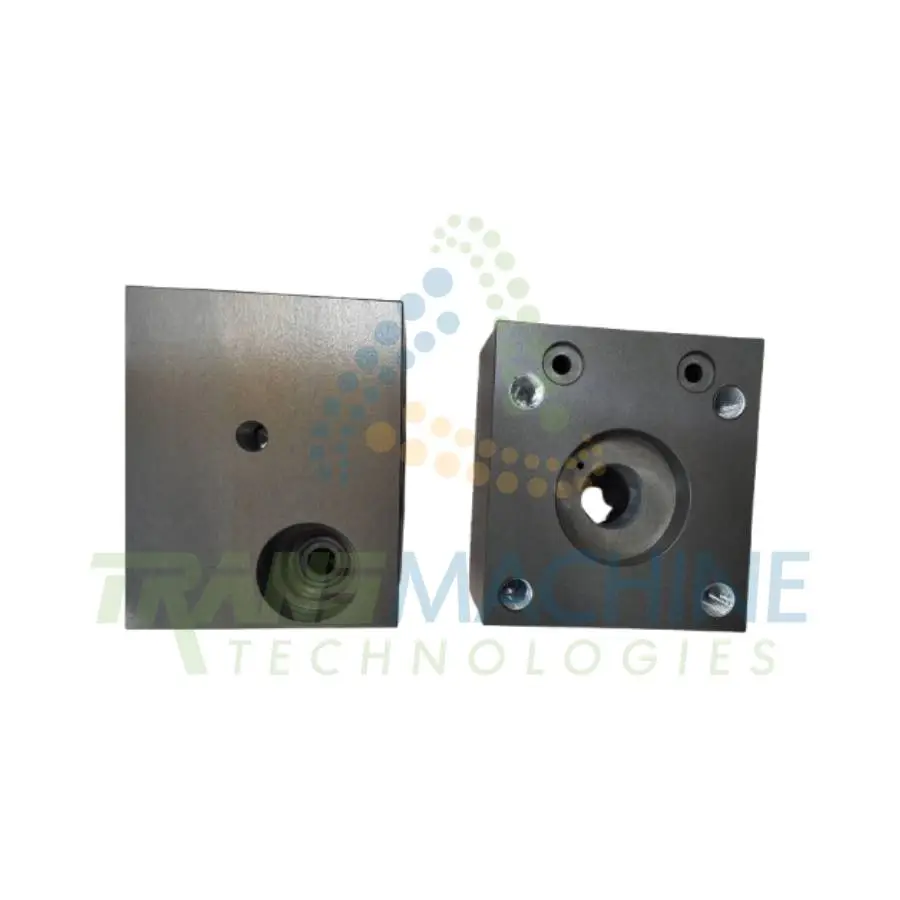
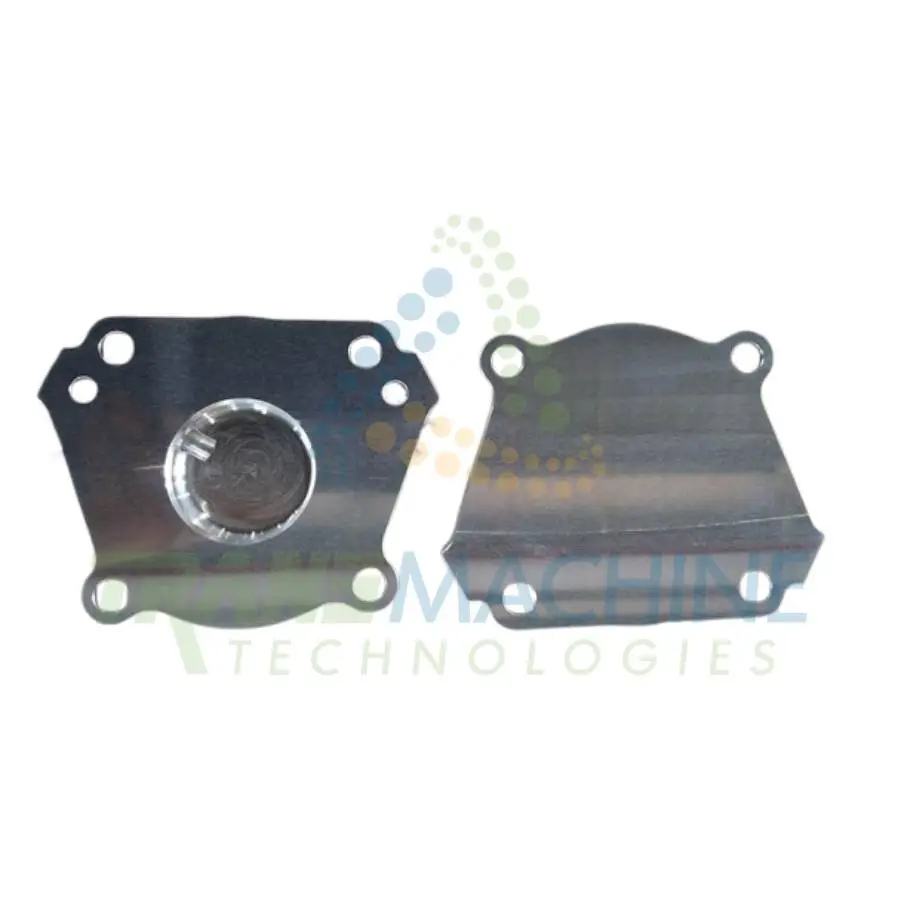
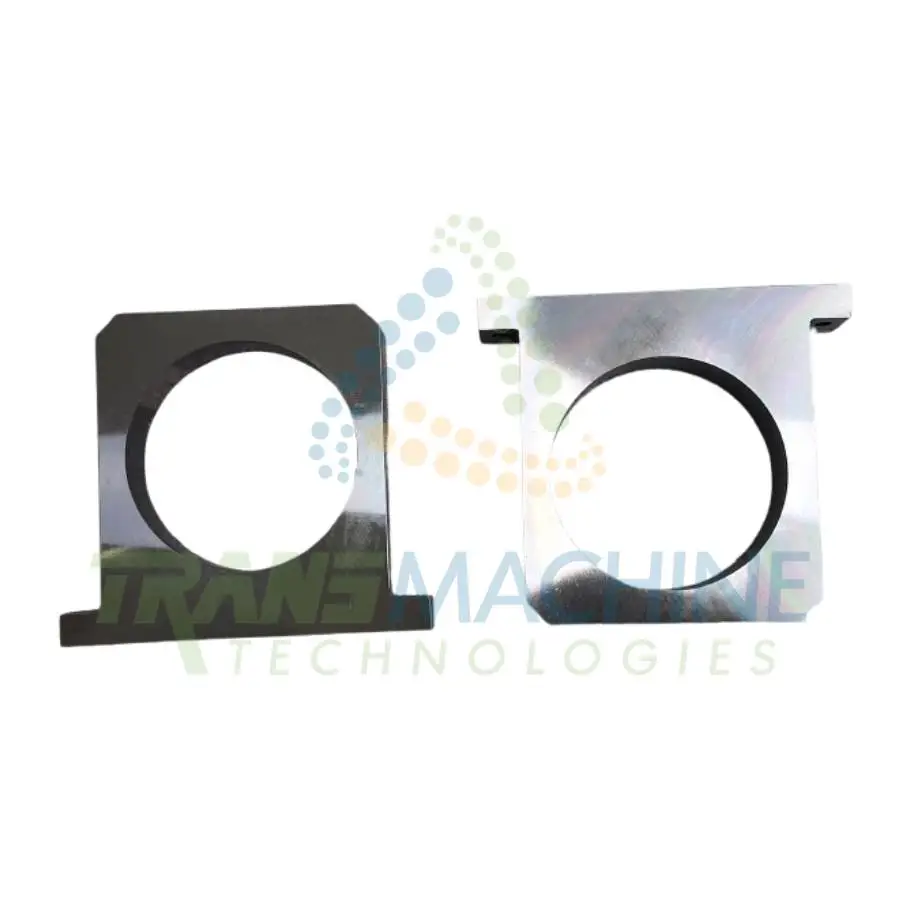
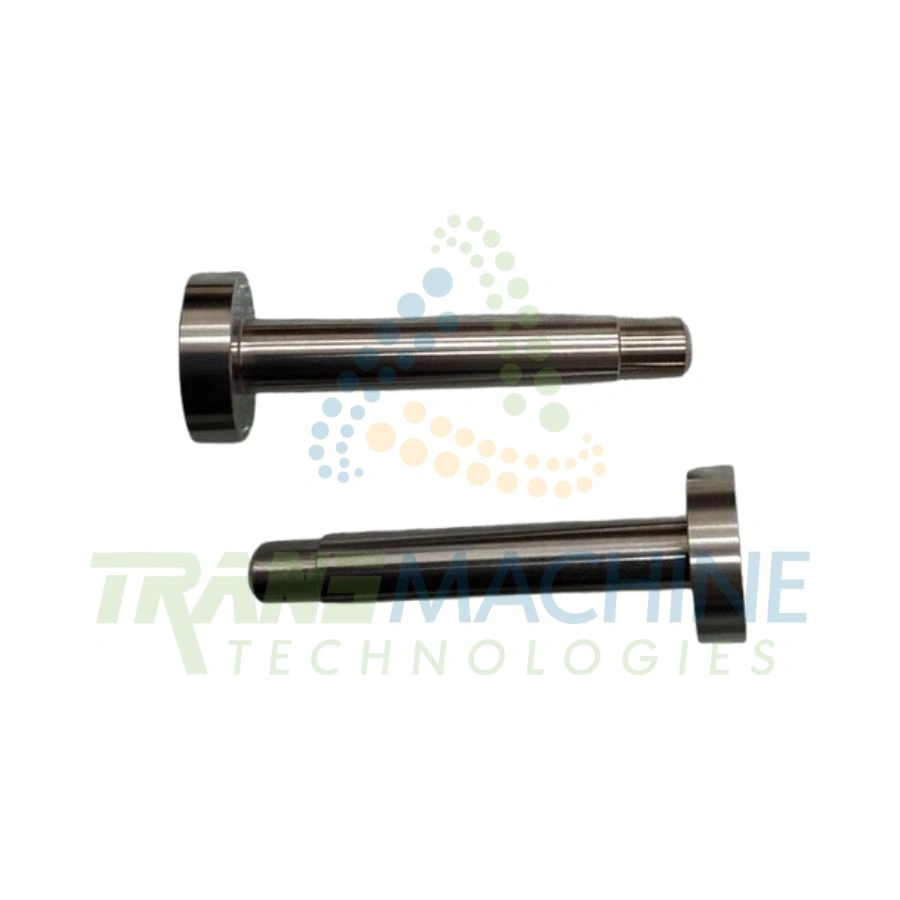
Trans Machine provides precision CNC machining services for engineers,
sourcing teams, and global buyers. From prototypes to production,
we manufacture CNC milled and turned parts with controlled tolerances,
consistent quality, stable lead times, and international logistics support.
CNC machining is a computer-controlled manufacturing process
that removes material from a solid workpiece to produce precise parts based
on CAD/CAM instructions. The process provides repeatability, dimensional
accuracy, and scalable production for components requiring tight dimensional control.
Tip: For faster quoting, send STEP/IGES files and PDF drawings with
tolerances, material, surface finish, and quantity.
CNC Milling & Turning Capabilities
M
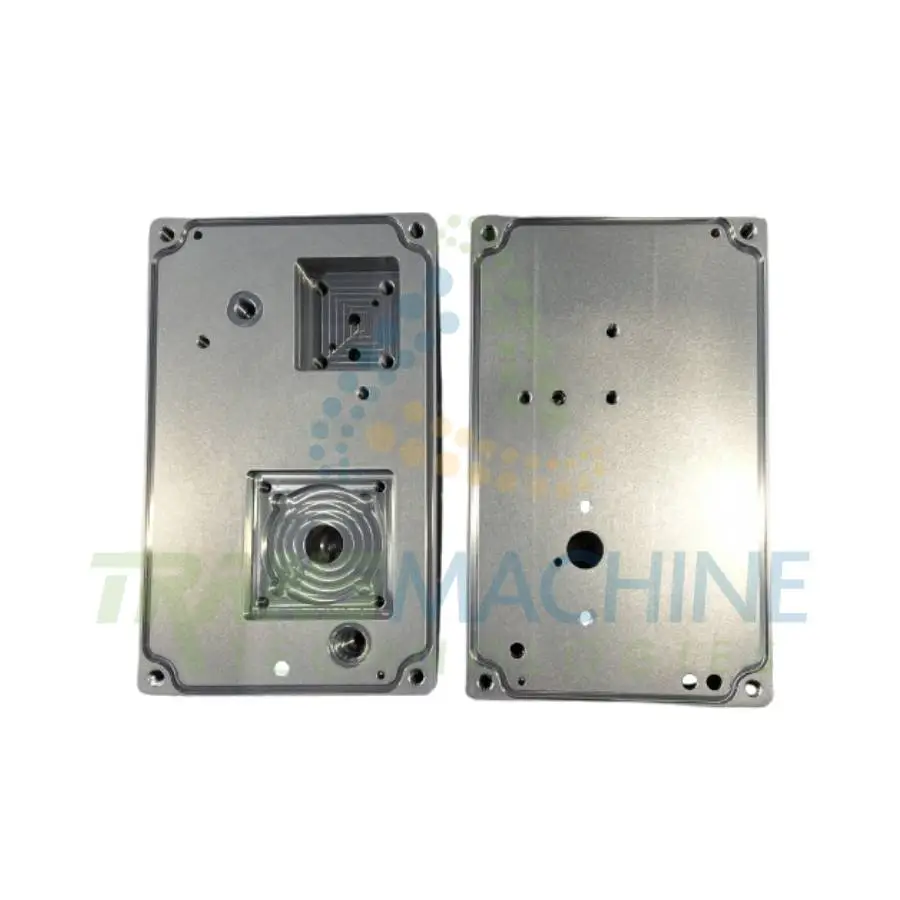
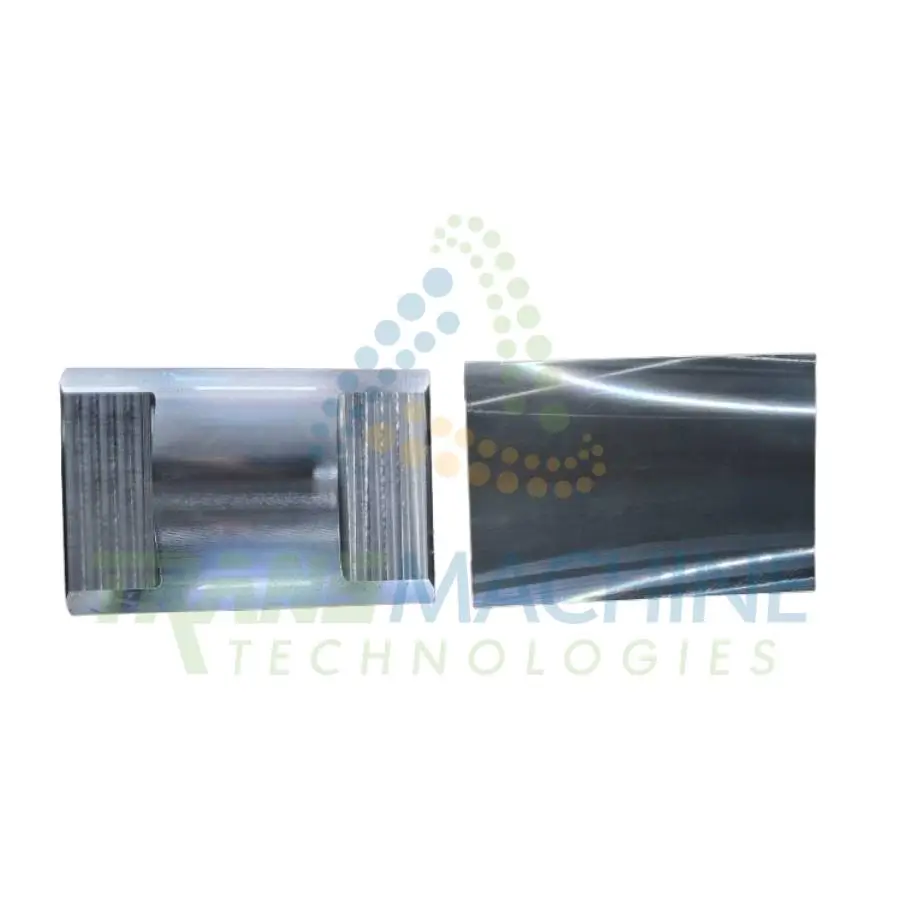
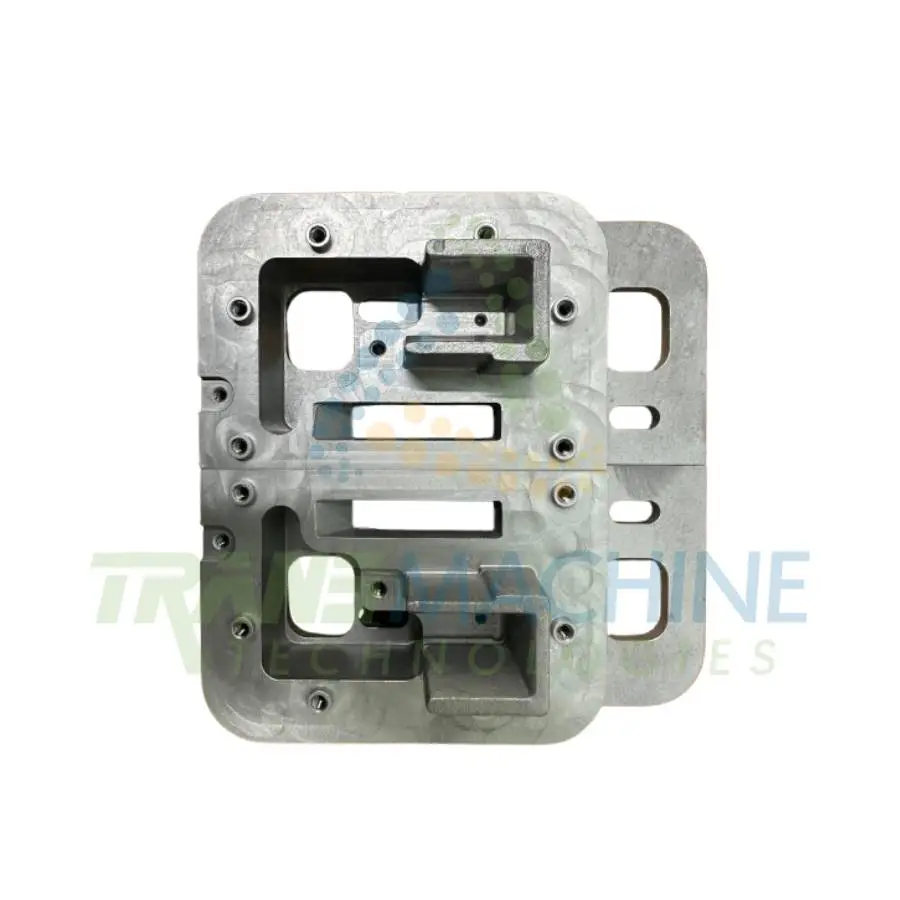
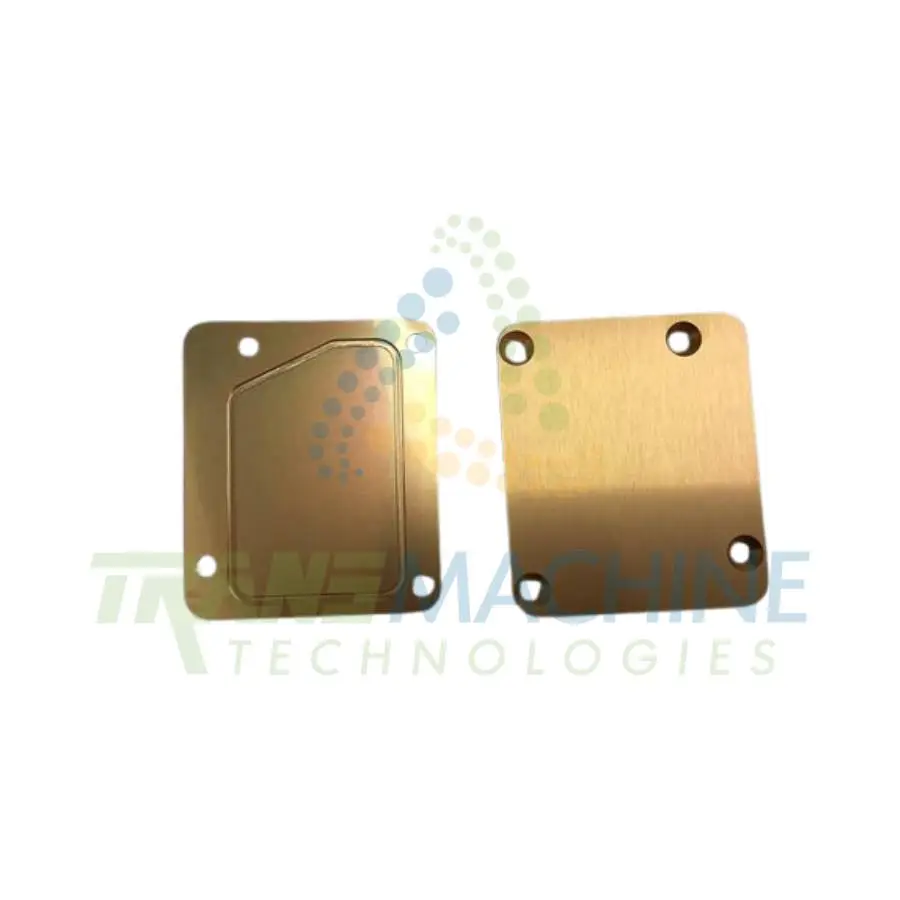
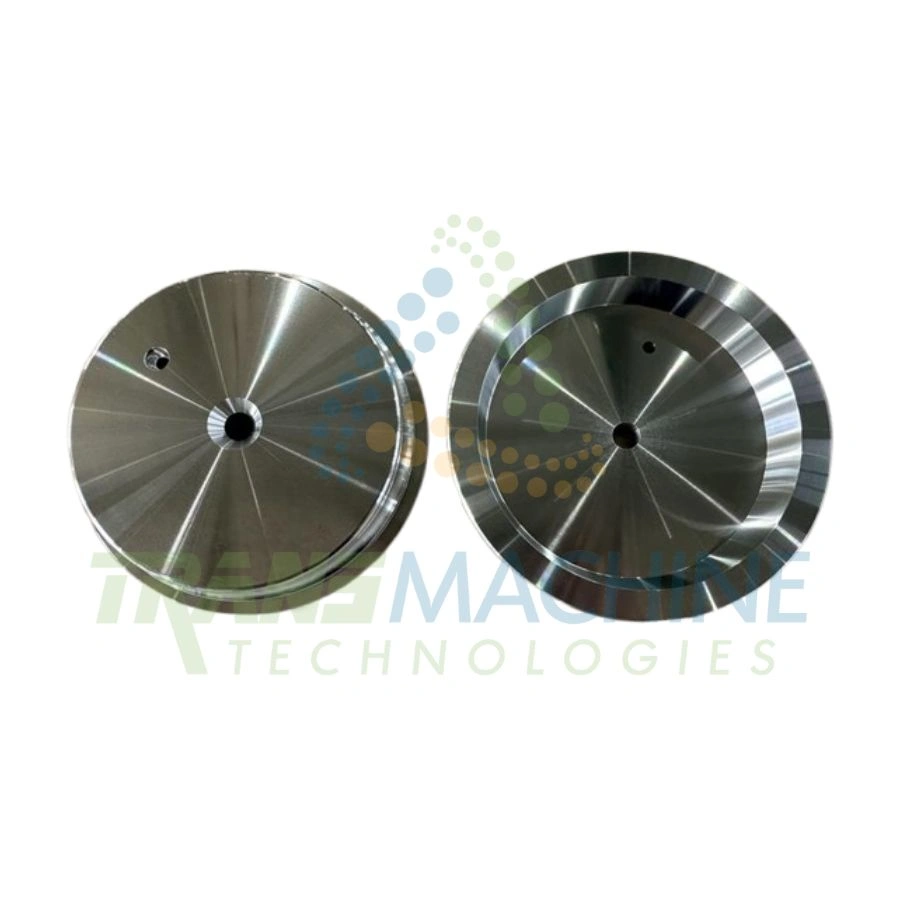
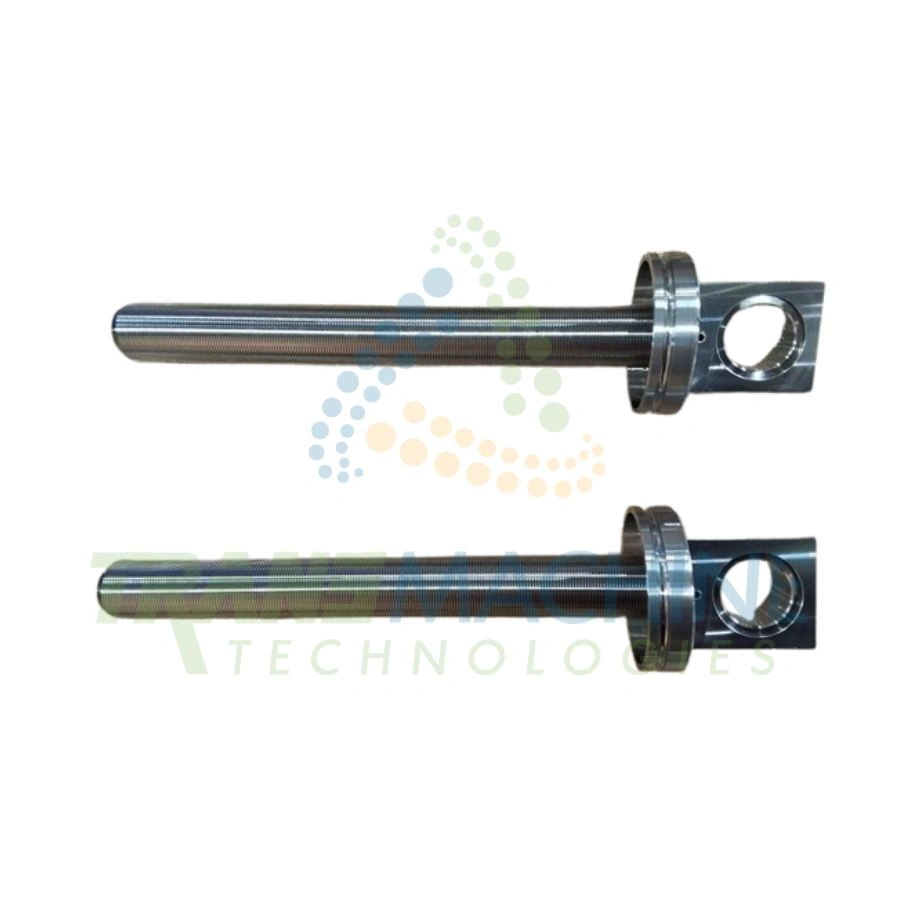
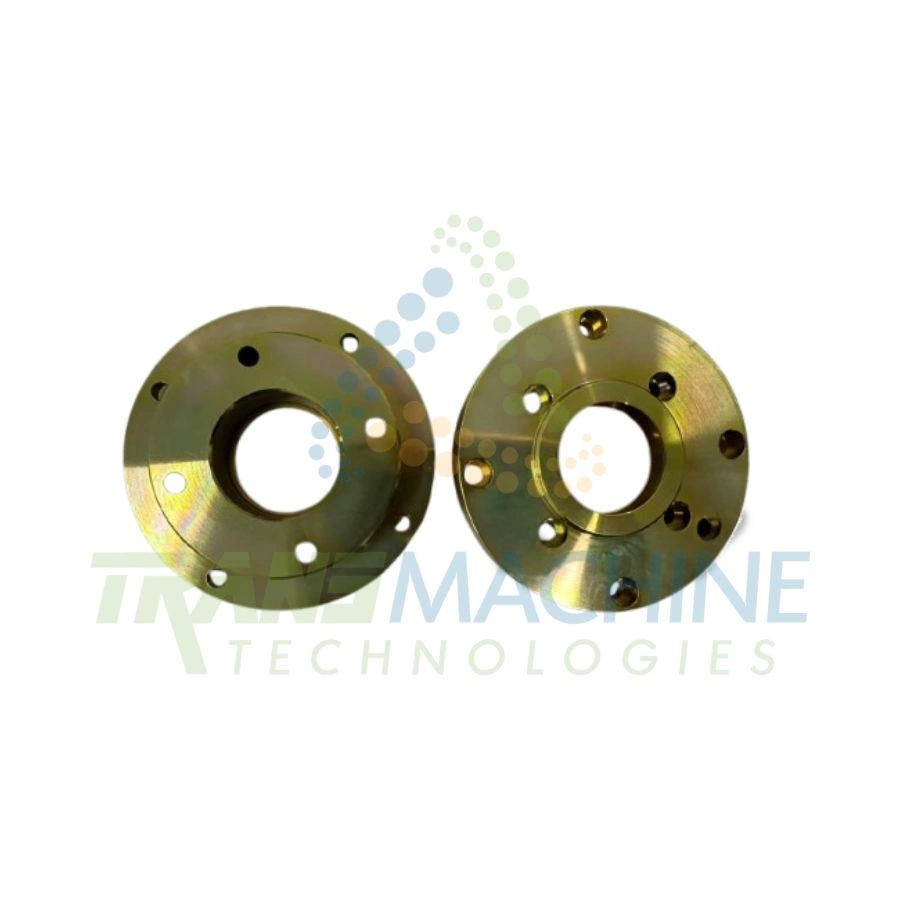
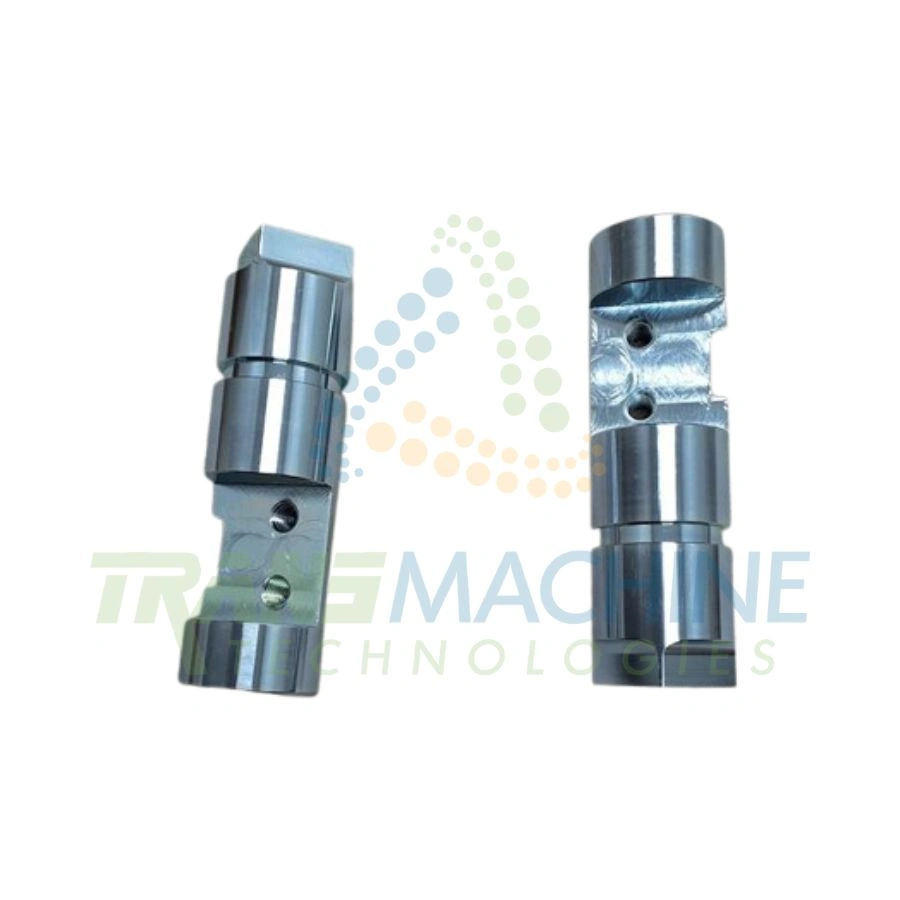
CNC Milling Services
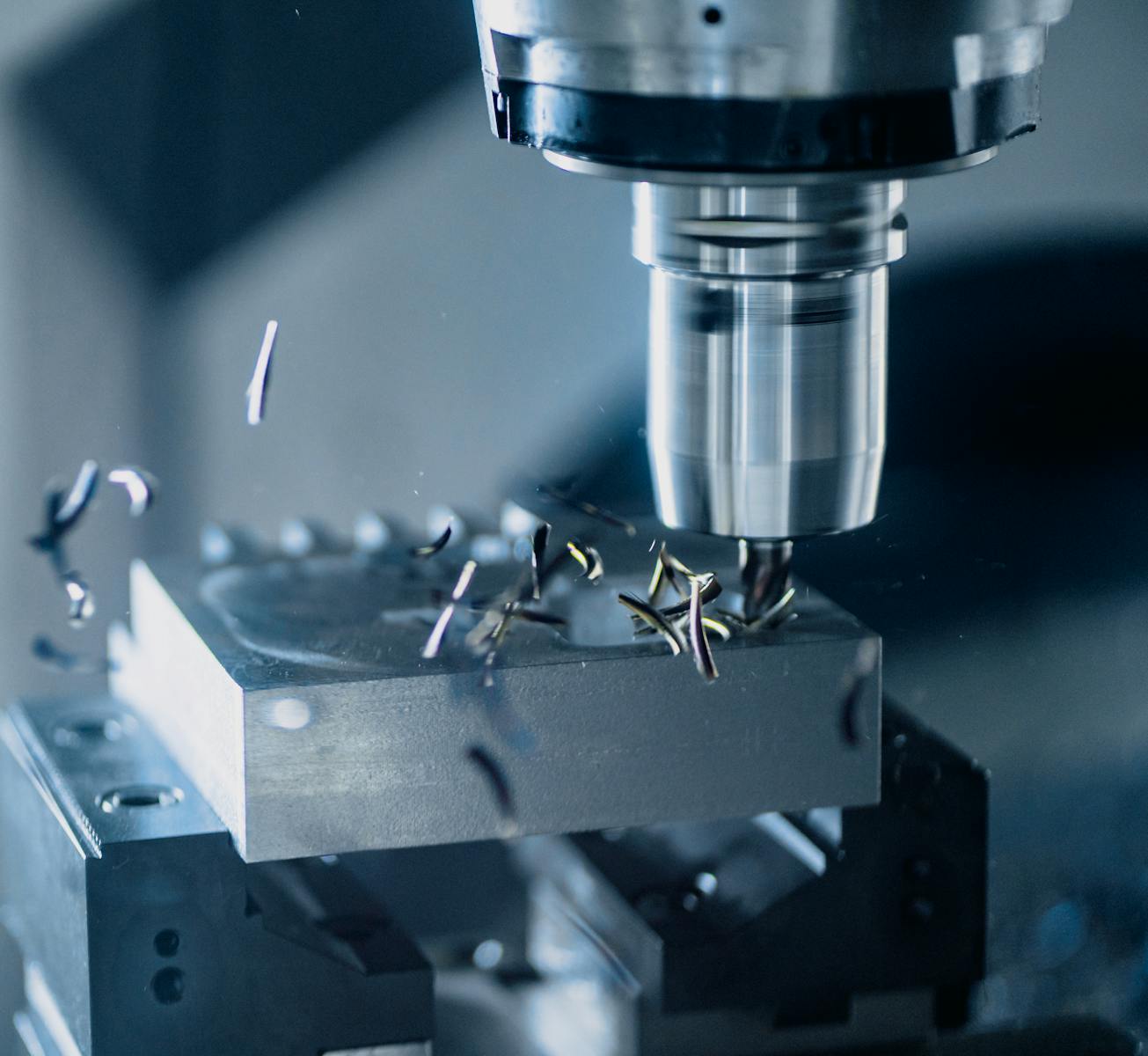
CNC milling uses rotating multi-point cutting tools
to remove material from a fixed workpiece. It is ideal for prismatic
components, pockets, slots, holes, and complex 3D geometries.
Facing, contouring, and pocketing
Drilling, tapping, and chamfering
Finishing passes for dimensional and surface control
T
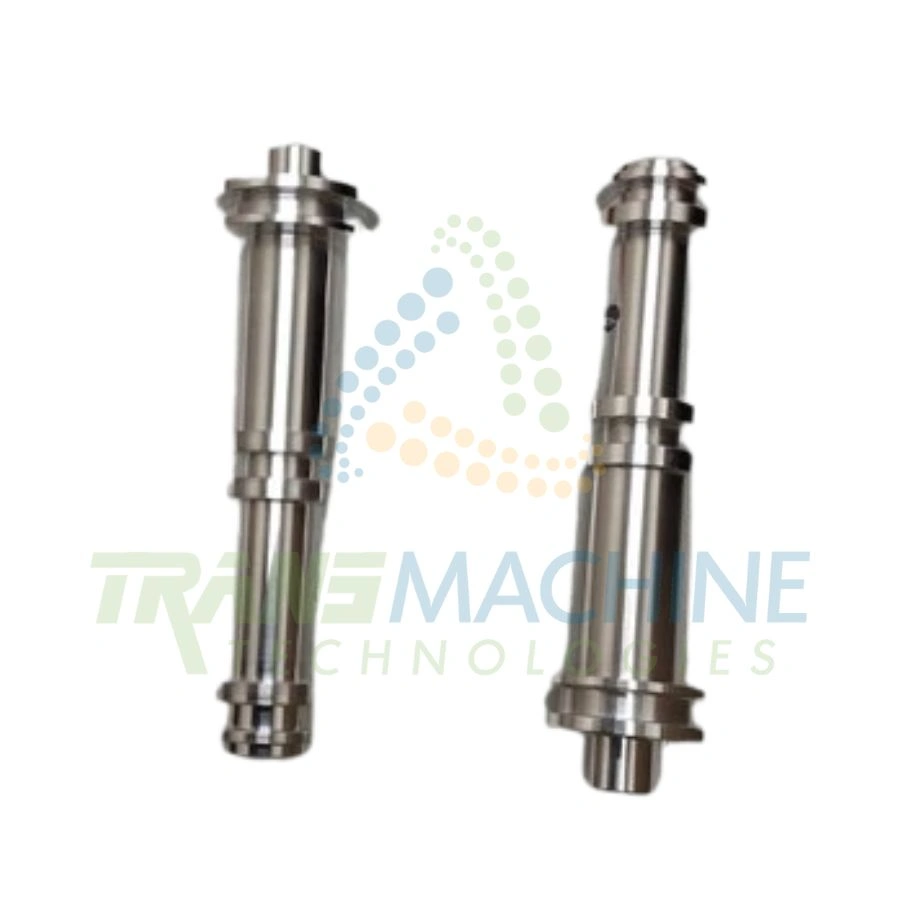
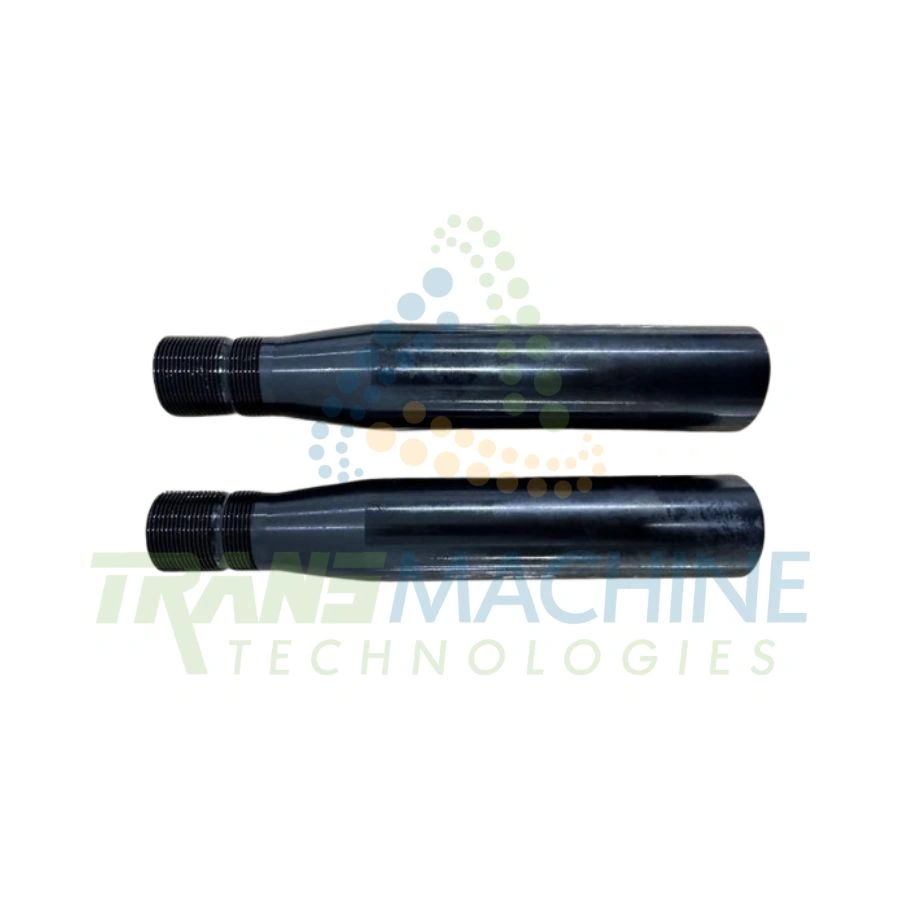
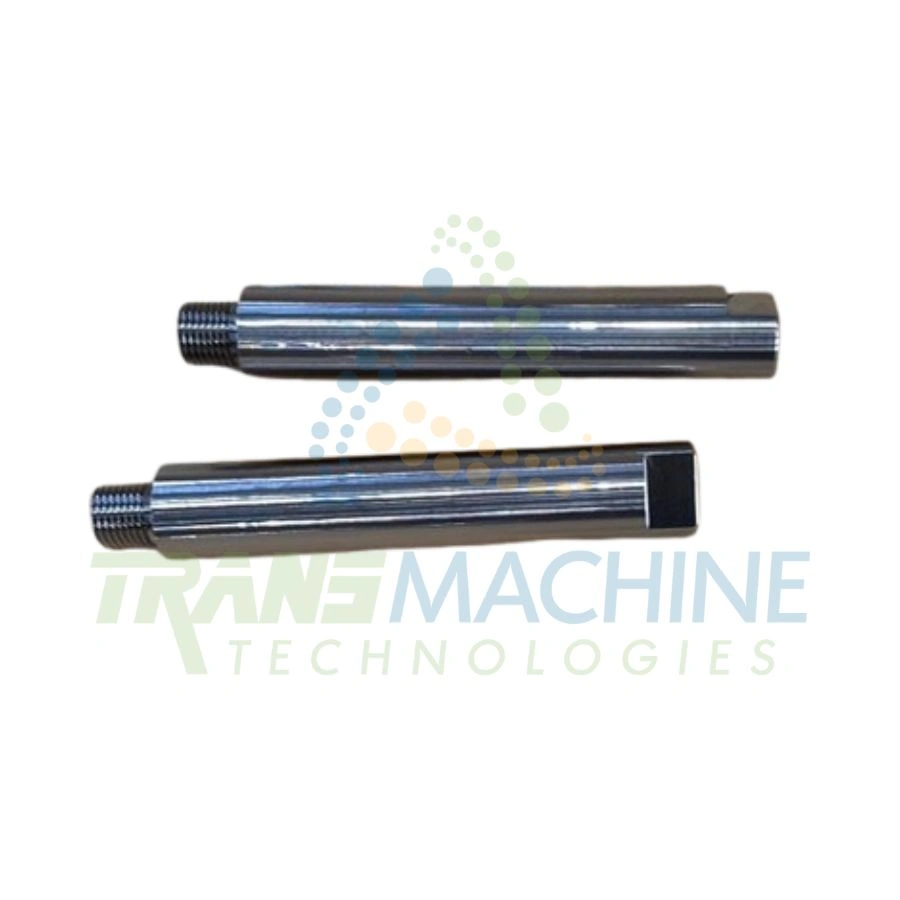
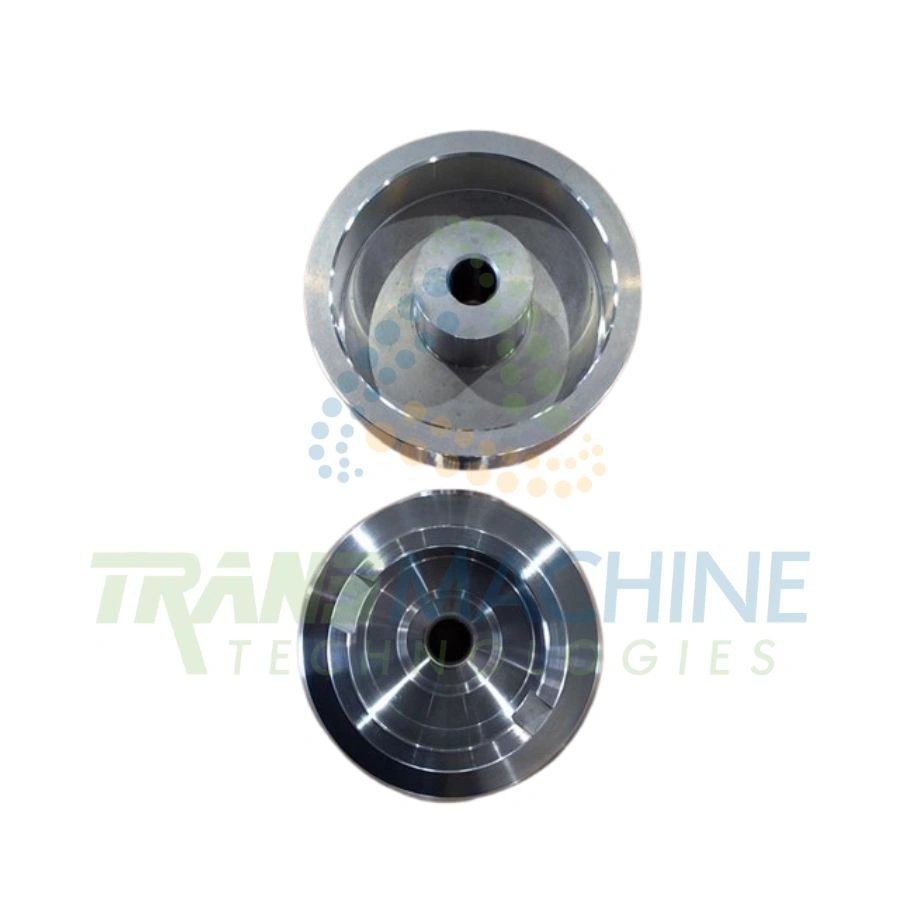
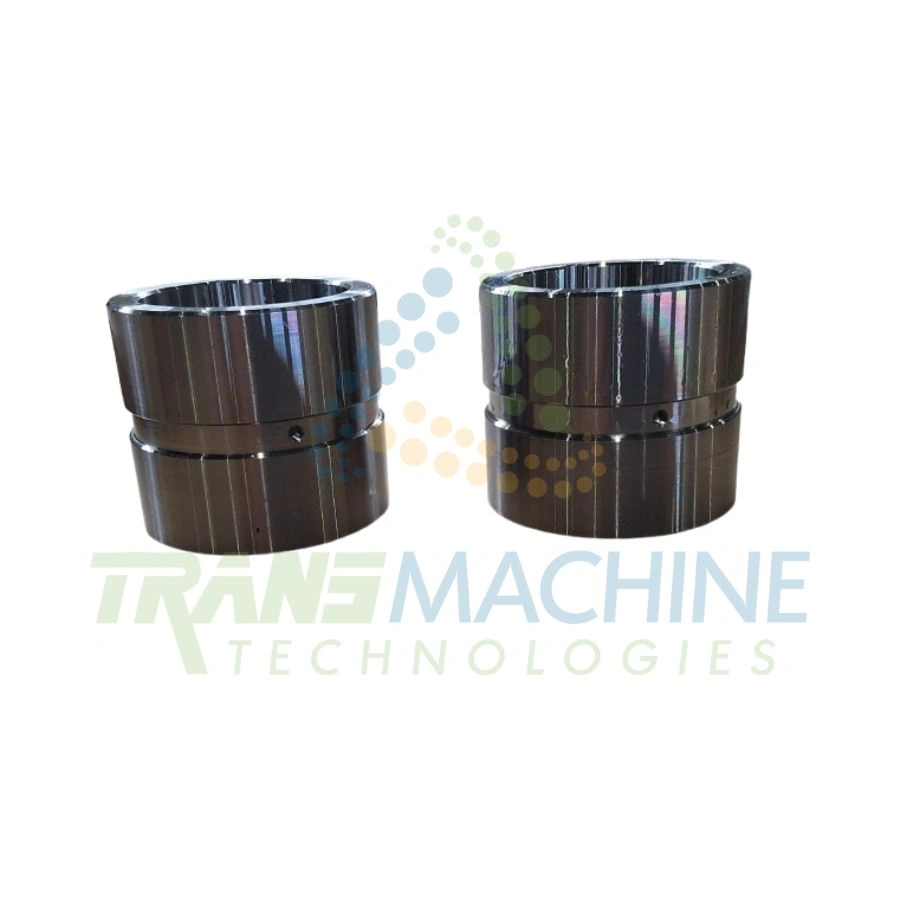
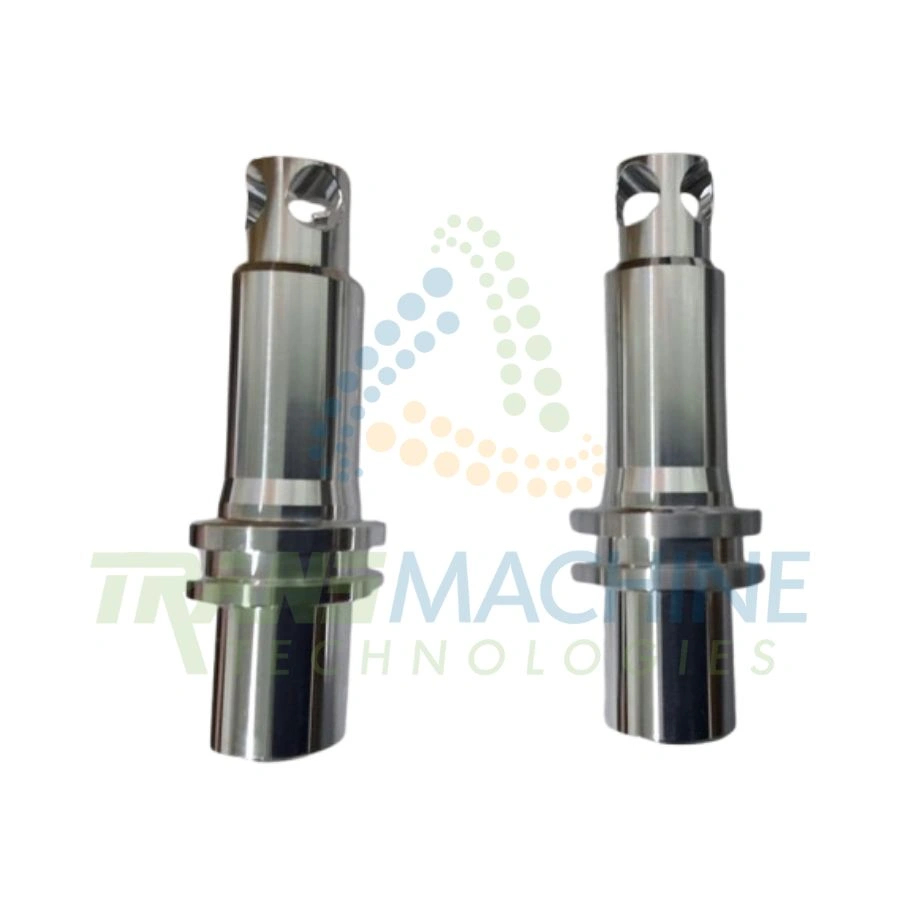
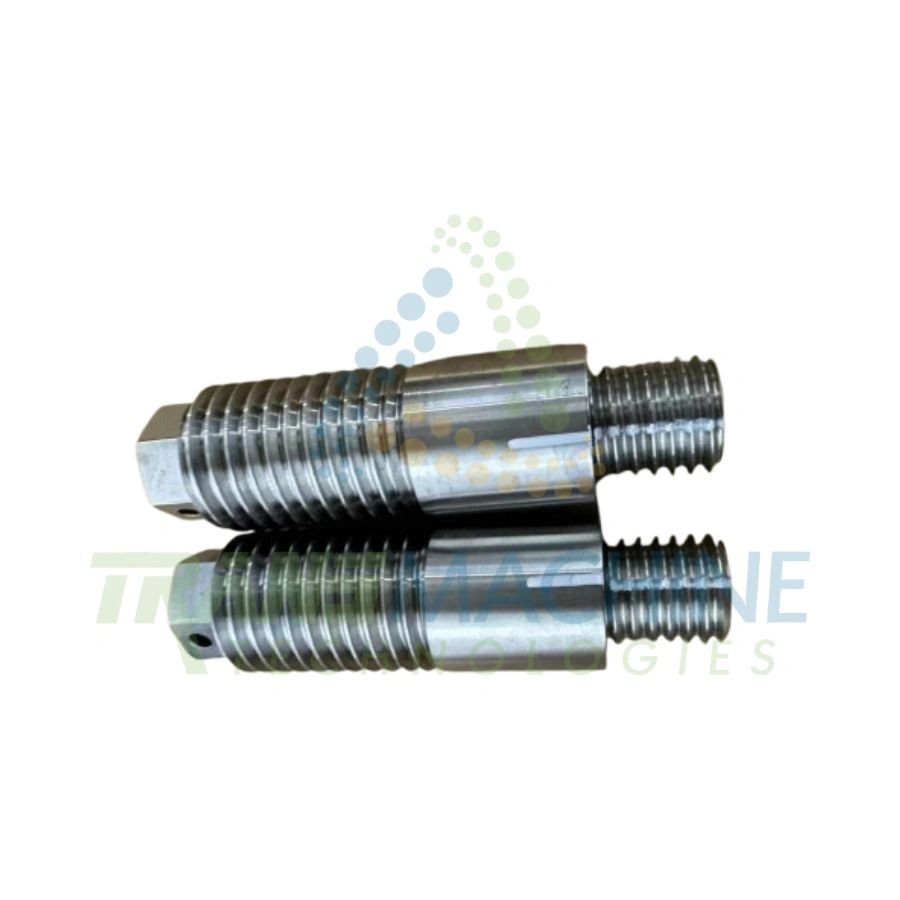
CNC Turning Services
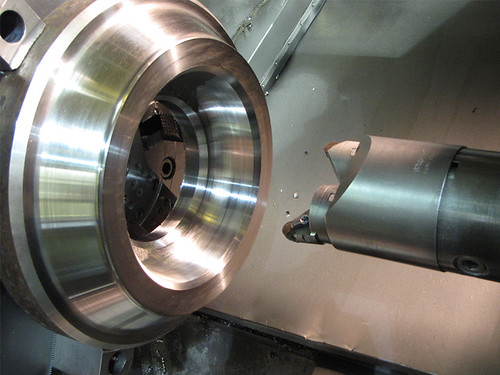
CNC turning rotates the workpiece while a cutting
tool removes material. It is well suited for cylindrical components
such as shafts, bushings, sleeves, and threaded parts requiring
consistent diameters and concentricity.
OD and ID turning
Threading and grooving
Precision fits and shoulders
CNC milling for precision parts and complex geometries
CNC turning for consistent diameters and tight concentricity
DFM Review
Manufacturability and cost optimization suggestions
Programming
CAM toolpaths and fixture planning
Production
CNC milling and turning with controlled machining parameters
Inspection
Dimensional verification and QC documentation
Shipping
Export-ready packaging and global delivery
CNC Machining FAQs
What is CNC machining used for?
CNC machining is widely used to manufacture precision components
for aerospace, automotive, industrial equipment, robotics,
and medical applications.
What is the difference between CNC milling and CNC turning?
CNC milling uses rotating cutting tools on a fixed workpiece,
while CNC turning rotates the workpiece as a cutting tool removes material.
What files should I send for a CNC machining quote?
Send STEP or IGES files together with PDF drawings that include
tolerances, material requirements, surface finish, and production quantity.
Request a CNC Machining Quote
Send your CAD files and technical drawings. Our engineering team
will review manufacturability, lead time, and pricing to support
your sourcing and production requirements.